What this job involves and what it costs
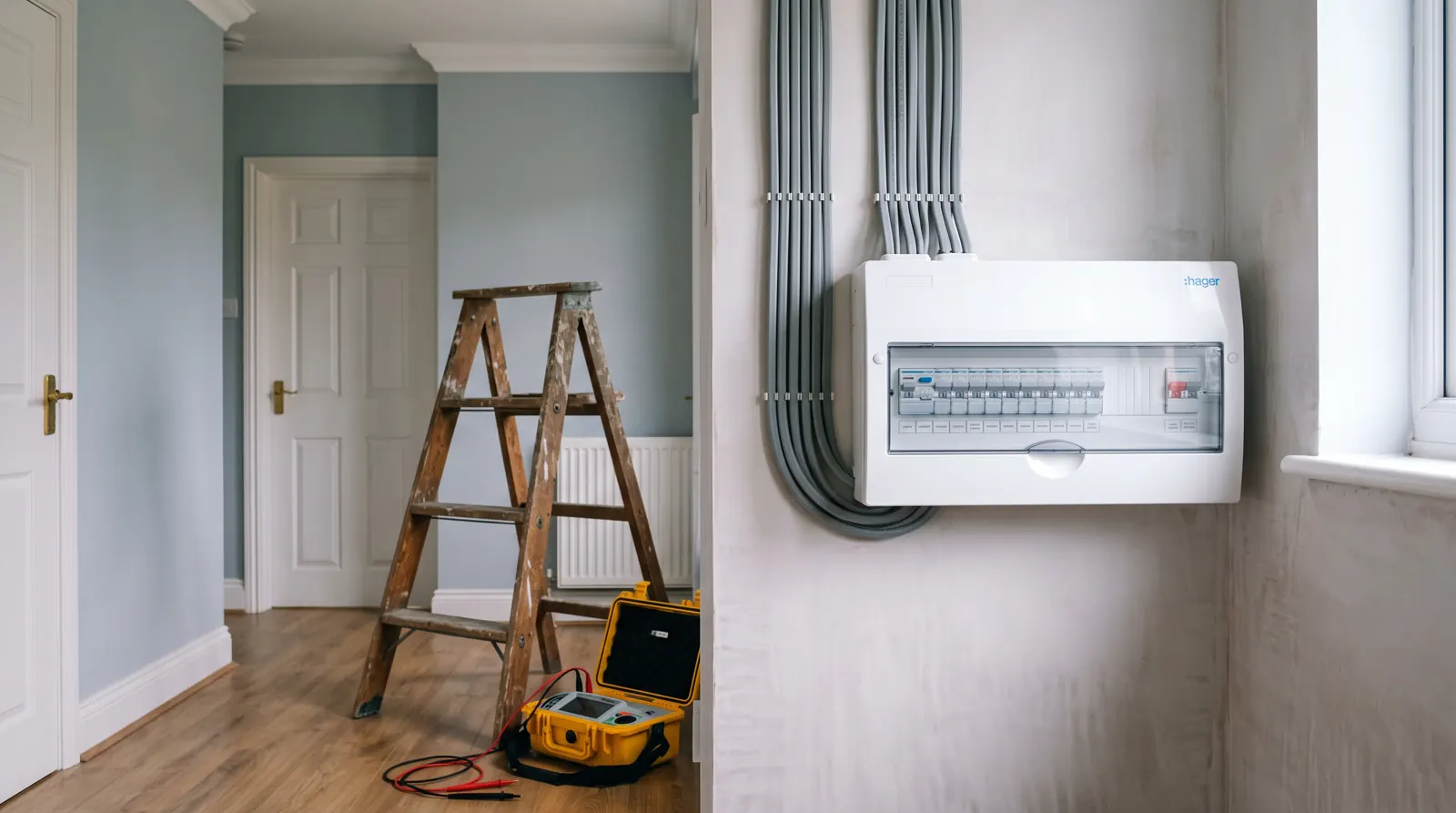
We install extra dedicated circuits for high-demand appliances (kitchen, electric shower, EV chargepoint, garden supply) with fixed written prices covering parts, labour and certification. Whitstable and surrounding villages. Work is guaranteed and fully certified, with testing, earthing checks and documentation provided.
The property mix in Whitstable — white weatherboarded fishermen's cottages in the old town, Victorian and Edwardian stock in Tankerton, newer housing at Swalecliffe, many holiday lets — means no two jobs are alike. Our electricians spend much of their time on salt-air corrosion on exterior and beach-hut electrics, coastal flood-risk electrics, holiday-let safety certificates, and we plan each visit around the age of the wiring rather than a one-size-fits-all checklist.
When you need it
- Your consumer unit keeps tripping whenever the oven or several appliances are on at once.
-
This usually means the circuit is overloaded or a protective device is detecting a fault and cutting out.
-
The lights dim or flicker when the kettle or toaster is switched on.
-
This often indicates heavy demand on the same circuit and a temporary voltage drop.
-
You lose power in one part of the house while other areas stay on.
-
That can point to a shared circuit being overloaded or a poor connection isolating the supply.
-
An outbuilding, workshop or alleyway light won’t stay powered or needs separate control.
-
This normally means the outbuilding needs a protected, dedicated supply rather than being tacked onto an existing circuit.
-
Your RCD keeps tripping when you plug in certain appliances (e.g., washing machine, EV charger).
-
That usually shows an earth leakage issue or that the device needs its own correctly protected circuit.
-
Ring main sockets in the kitchen or utility are all loaded when you use multiple appliances.
-
This suggests the kitchen/utility loads are concentrated on one circuit and might need redistributing or a dedicated supply.
-
You’ve got old wiring or only a couple of ways in the consumer unit and you’re adding a big appliance (e.g., electric shower, induction hob, EV charger).
-
That often means the existing installation may not have the capacity or suitable protective devices and needs inspection before adding a circuit.
-
After switching on a large appliance, breakers trip repeatedly until you unplug something else.
-
This usually indicates the house circuits can’t handle the combined load and a separate circuit is required.
-
Fuses or breakers trip intermittently with no obvious pattern.
- That can be a sign of ageing wiring, poor connections or an overloaded distribution that needs testing and repair.
What it costs in Whitstable
Extra-circuit costs in Whitstable vary by circuit purpose, cable route, consumer-unit capacity and required testing; we assess zoning and load balancing first so installations are protected and certificated. Below are typical prices and what’s included.
| Job | Price | What's included |
|---|---|---|
| Extra socket | £55–£75 | Parts, labour, testing, certificate, VAT |
| EV chargepoint | From £1,000 | Fitted, tested and certificated |
| New dedicated circuit | Quoted per job after a free survey | Parts, labour, testing, certificate, VAT |
Not included: plaster repairs, decoration, asbestos removal, DNO supply-upgrade charges and specialist access equipment.
What is involved on the day
On the day, we’ll survey the proposed route, confirm the work with you and safely isolate the relevant supply before installation begins. We’ll install the new circuit neatly, then carry out the required testing to confirm it is safe and compliant. Once complete, we’ll provide the appropriate electrical certificate for your records.
Survey and isolation
Before we add an extra circuit in your Whitstable property, we’ll survey the proposed route, confirm the consumer unit has suitable capacity and protection, and identify any hidden risks such as older VIR, rubber or aluminium wiring. Our survey procedures include checking accessible cable routes, earthing and bonding arrangements, likely drilling areas, and whether the work could affect concealed services or listed-property fabric.
We’ll explain any concerns clearly before proceeding. Where safe isolation is required, we’ll identify the correct supply, isolate it securely, prove our test equipment, and verify the circuit is dead before contact. This disciplined approach reduces isolation risks, including incorrectly labelled circuits, shared supplies or backfeeds from alternative sources. We’ll also advise you about any temporary loss of power and agree access arrangements, protecting occupants, your property and existing electrical systems throughout.
Installation
Once the supply is safely isolated, we’ll install the new cable route, containment where needed, and the appropriate protection at your consumer unit. We’ll follow agreed cable routes, using suitable trunking, conduit or concealed wiring methods to protect cables and keep the finish tidy. Where walls or floors need access, we’ll work carefully and minimise disturbance.
We’ll fit the new circuit’s accessories, such as sockets, cooker connection units or equipment isolators, and make certain all connections are secure and correctly rated. At the consumer unit, we’ll install the specified protective device and arrange conductors neatly. We’ll also consider load balancing across the installation where appropriate, particularly when extending a busy consumer unit. Any changes required because of unforeseen building construction or existing wiring conditions will be explained before we proceed.
Testing
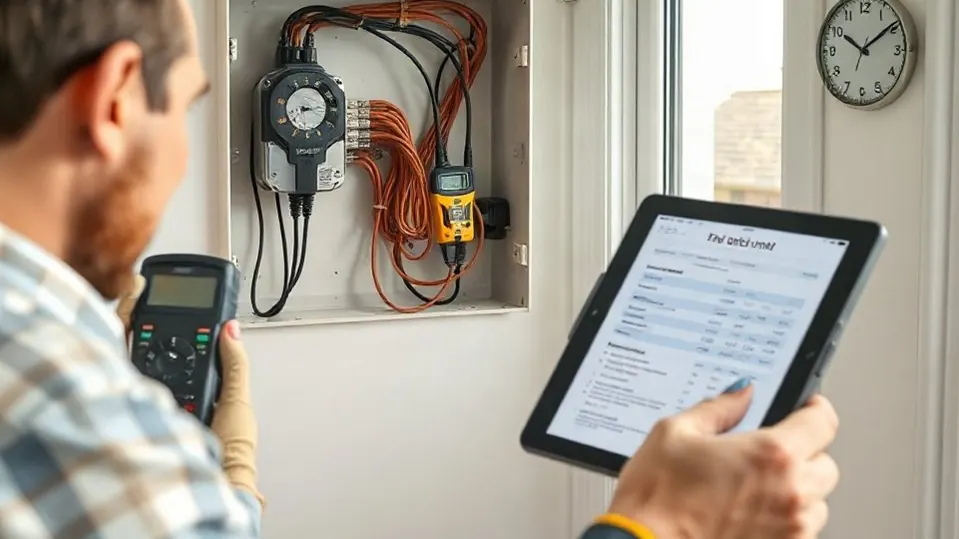
After the new circuit is connected, we’ll carry out the required dead and live tests to confirm its continuity, insulation resistance, polarity, earth fault loop impedance and protective-device operation are satisfactory. This circuit testing verifies that conductors are correctly connected, protective measures will operate within the required limits, and the installation is safe to energise.
We’ll isolate supplies where necessary for dead testing, then restore power for live measurements under controlled conditions. You may notice brief interruptions to parts of the property while we work, particularly when testing at the consumer unit. We’ll also check that any RCD protection trips correctly and that the new circuit performs as intended at its points of use. If results identify an issue, we’ll explain it clearly and rectify it before leaving the circuit in service.
Certificate
With satisfactory test results recorded, we’ll complete the appropriate electrical certificate for the new circuit, usually an Electrical Installation Certificate. It records the circuit details, protective device, test readings, installation method and any observations relevant to your work.
We’ll explain what the certificate covers and leave you with a copy for your records. Where the work is notifiable under Part P, we’ll make certain the required notification process is handled and that you receive the relevant building regulations compliance documentation.
Keep these documents with your property paperwork. They provide legal documentation that the circuit was installed, inspected and tested by a competent electrician, and can support insurance compliance, future alterations, a sale or landlord records. If we identify anything affecting safety, we’ll clearly explain it before certification.
Options and what we recommend
The right option depends on the circuit’s condition, spare capacity at the consumer unit and what you’re adding. We’ll assess demand, cable condition and routing before recommending the safest practical approach.
| Need | Suitable option | Our recommendation |
|---|---|---|
| One extra socket | Extend sound ring main | Test first; avoid overloading |
| Kitchen appliance | Dedicated radial feed | Usually the safer choice |
| EV chargepoint | Separate radial feed | Allow capacity for future demand |
For a modest addition, extending an existing ring main can be sensible where testing confirms it is sound and suitably loaded. For fixed, higher-demand equipment, we generally recommend a dedicated radial feed from the consumer unit. It limits shared loading and makes fault-finding clearer. In older Whitstable homes, particularly where ageing cable may be present, we’ll favour a new circuit rather than relying on uncertain existing wiring.
Rules and certificates
For extra circuits in Whitstable, we will design, test and, where applicable, provide the appropriate certification in line with Building Regulations (including Part P where it applies). Installing a new circuit, replacing a consumer unit, or doing electrical work in a bathroom or other “special location” is normally notifiable work under Part P; where work is notifiable it must either be carried out by a Part P-registered electrician who can self-certify, or notified to Building Control by the installer or homeowner.
We are NICEIC-approved and hold Part P registration, which allows us in many cases to self-certify and notify Building Control on your behalf; you will receive an Electrical Installation Certificate (EIC) or, for qualifying smaller additions to an existing circuit, a Minor Electrical Installation Works Certificate as appropriate.
Planning consent is not normally required for internal electrical alterations; however, more extensive alterations that affect structural elements or change the use of a building may require planning permission or building control approval, and we will advise you if wider works could affect those permissions.
We maintain £5 million contractor’s liability insurance to provide additional reassurance while qualified work is carried out.
Older homes around Whitstable
In many terraces dating from the mid‑ to late‑19th century around the town centre and Swalecliffe we still encounter VIR or rubber‑insulated cable, so we will assess the specific installation at the Whitstable property before proposing any new circuit.
On terraces and conversions in central Whitstable and Swalecliffe the original wiring can be brittle or otherwise unsuitable for alteration, so simply extending an old circuit in a Victorian mid‑terrace in Swalecliffe or a converted loft in the town centre is not always safe or compliant.
In some Whitstable properties — for example older semi‑detached homes built in the 1930s around Joy Lane or late‑Victorian terraces in Swalecliffe — a targeted upgrade or partial rewire of the circuits serving kitchens or bathrooms may be the most sensible route before connecting additional loads. We will explain any limitations that apply to the specific Whitstable property clearly, provide a fixed written price for the agreed works, and ensure the finished installation is tested and certificated in accordance with current UK wiring regulations.
How long it takes and whether you lose power
Once we’ve assessed the existing installation, we can give you a realistic programme and explain any planned interruption to your supply. A straightforward additional circuit may be completed within a day, while longer cable routes, concealed work or consumer unit alterations can extend the programme.
We isolate only what’s necessary, test before reconnecting, and never leave exposed wiring or unsafe temporary arrangements. In many homes, you’ll retain power to unaffected circuits for much of the work, although the consumer unit must be safely isolated for final connections and verification.
If continuity is essential for business equipment, refrigeration or home working, tell us before we schedule. We can discuss practical arrangements, including a temporary generator where appropriate. A smart panel may also help manage essential loads, but suitability depends on your installation, supply capacity and circuit design.