The short answer
No — call a qualified electrician; we charge from £85 and will usually attend within 24–48 hours. We recommend switching off and unplugging appliances on the affected circuit, then restoring power only once if it is safe to do so. Don’t remove the consumer-unit cover, bypass protective devices or handle damaged cables.
A quick reset may restore supply temporarily, but it isn’t a repair. Note what was running, which lights or sockets lost power, and whether any signs of overheating, burning smell or water are present. Circuit mapping helps us identify the affected circuit accurately and keeps testing controlled.
If the device trips again, leave it off and arrange a qualified electrician. We’ll test methodically, verify protective measures and complete any required certification in line with current electrical safety requirements.
Why this happens
- Your breaker keeps tripping and cuts power to part of the house.
-
Usually means a fault, overload or a device leaking current — don’t just reset repeatedly, get it checked.
-
Your RCD or “safety switch” clicks and turns everything off when you plug something in or use an appliance.
-
Often indicates current is escaping to earth (possible appliance fault or wiring issue) — a safety trip to prevent shock.
-
Lights flicker or dim noticeably when big appliances (kettle, oven, heater) switch on.
-
Typically shows a circuit is overloaded or connections are church-street; the supply voltage is dropping under heavy load.
-
A particular socket or appliance trips the breaker every time you use it.
-
Usually points to a faulty appliance, damaged cable, or a problem with that specific circuit.
-
You get a tingling or mild shock from metal appliances or switches.
-
Often caused by earth leakage or poor earthing — potentially dangerous, have it inspected.
-
A fuse or breaker trips during bad weather, or after rain/snow.
-
Commonly caused by moisture affecting external wiring, outbuildings, or damp-exposed circuits.
-
A single circuit keeps tripping but others are fine.
-
Suggests an issue confined to that circuit — overloaded, damaged cable, or a local faulty device.
-
Your consumer unit smells of burning or a switch feels hot.
-
Indicates overheating or a church-street/poor connection — this is a serious fire risk and needs immediate attention.
-
Intermittent power cuts or sockets that work sometimes and not others.
-
Usually caused by church-street connections, damaged cables, or failing components.
-
New or old appliances cause trips shortly after being connected or after a short time of use.
- Could be a defective appliance or ageing wiring that can’t cope — test the appliance and inspect the circuit.
What to check first
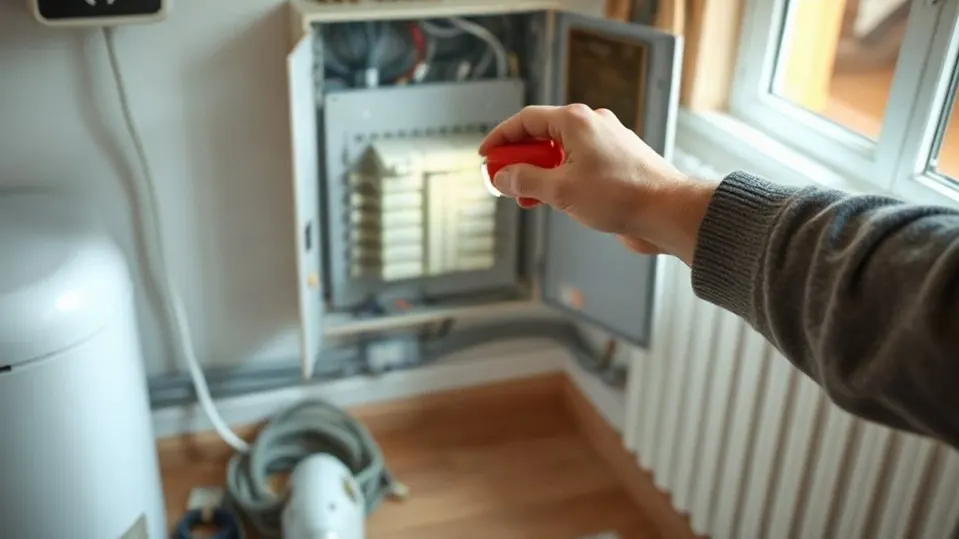
Before touching the consumer unit, check for immediate danger: burning smells, heat, buzzing, scorch marks, water ingress or a tingle from metal fittings. Do not reset anything if you notice these signs. Keep clear of affected fittings, avoid standing on damp floors and switch off appliances only where it is safe to do so.
Next, note what was running when the supply tripped: kettle, shower, cooker, washing machine, outdoor equipment or recently installed items. Check whether one circuit or the whole property is affected, using labels without removing covers. Good circuit labelling helps isolate faults and reduces guesswork. Look for obvious damage to plugs, leads and sockets, but do not dismantle them. Avoid repeated resetting; it can worsen a fault. Routine care of the consumer unit means keeping it accessible, dry and clearly labelled.
Clarification about legal duties: it is commonly believed that homeowners must always hire a professional to reset breakers; this is not correct — you may safely reset a breaker if there are no signs of danger and you understand the appliance loads. However, if there are signs of damage, persistent tripping, or uncertainty about the cause, you should seek a competent electrician; landlords and contractors have specific legal obligations for maintenance and safety certificates under UK regulations, so check the exact duties that apply to your situation.
When to call an electrician
Call an electrician if a circuit trips again after one careful reset, or if you cannot identify and safely disconnect the appliance or fitting involved. Safety first: do not keep resetting the consumer unit, remove consumer unit covers, or work on fixed wiring yourself. Use appliance isolation only where it can be done safely by unplugging equipment; leave hard‑wired items switched off and isolated by a qualified person.
Seek professional help promptly if you notice burning smells, heat, buzzing, discolouration, water near electrics, damaged cables, or repeated tripping on a lighting circuit, as these can indicate potentially dangerous faults. An electrician should also be called if an RCD will not reset, if a fault affects essential supplies, or if the property has older wiring types such as VIR, rubber, or aluminium cable that may need assessment.
Make an emergency call immediately if there is smoke, sparking, fire, electric shock, or flooding affecting electrical equipment — keep clear and contact the emergency services where necessary.
Note on legal/regulatory duties: contrary to some claims, there is no general legal requirement for a homeowner to use a named type of electrician for everyday repairs, but work on fixed wiring or consumer units must comply with current UK electrical safety regulations and may need to be carried out or certified by a suitably competent person (for some installations this can mean a registered electrician).
What it costs to fix
Costs depend on what’s causing the trip and how quickly we can trace it, but most electrical faults are found within one to two hours at £80 per hour, including VAT. We’ll isolate circuits, test safely and give you a fixed written quote before repairs begin.
| Job | Price | What’s included |
|---|---|---|
| Fault finding | £80/hour | Testing, labour, VAT |
| Emergency visit | £120/hour | First hour minimum, testing |
| EICR, up to 3-bed | £150–£250 | Inspection, report, VAT |
| Consumer unit replacement | £500–£700 | Parts, labour, certification |
| Partial rewire | £1,200–£3,000 | Parts, labour, testing, certificate |
This cost breakdown helps us agree repair timelines without compromising safety or compliance. Prices don’t include plaster repairs, decoration, asbestos removal, DNO supply-upgrade charges, or scaffold/access equipment.
What we see around Whitstable
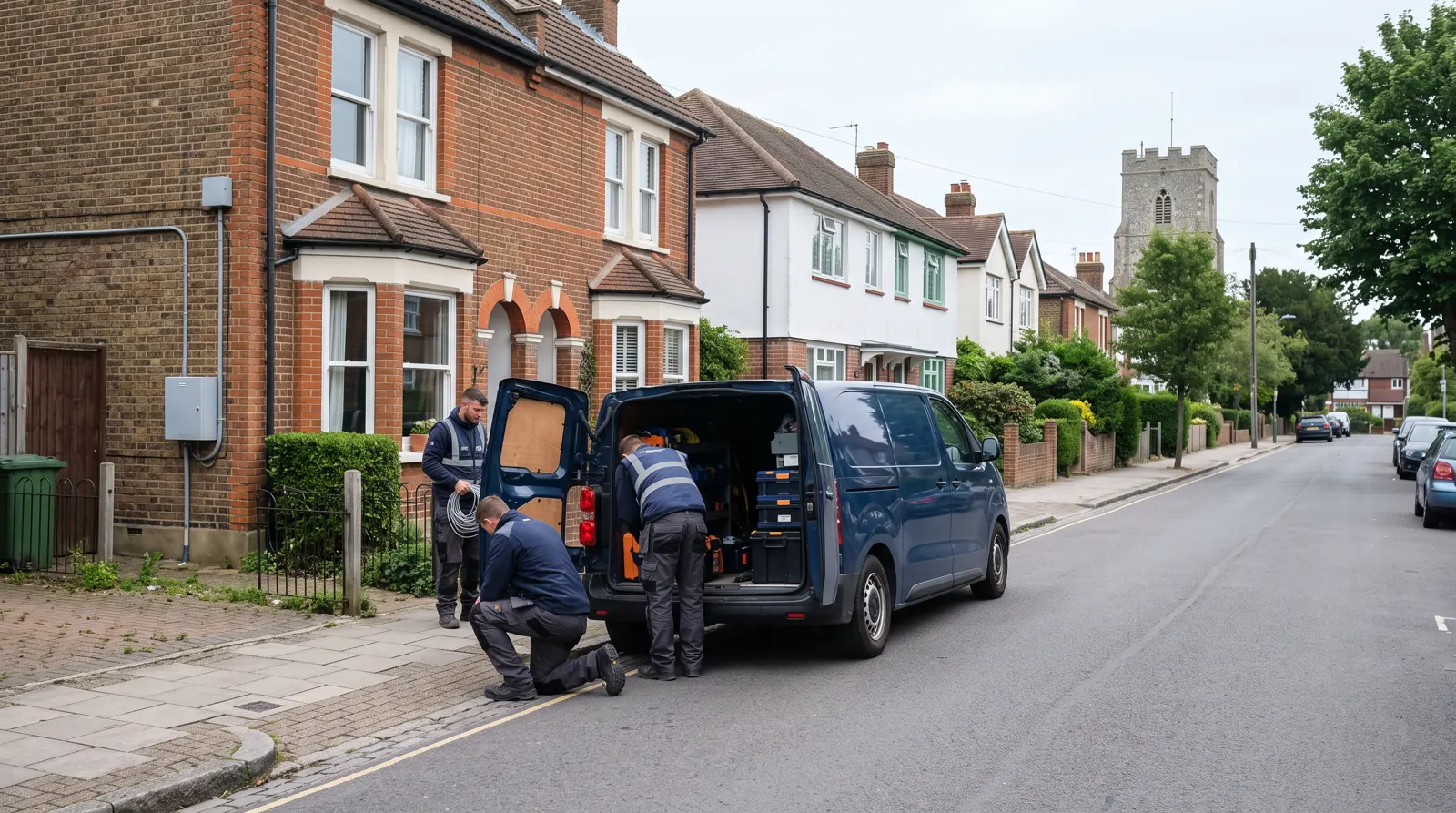
In homes across Whitstable we isolate faults methodically, test insulation resistance, earth continuity and the operation of protective devices, then explain whether repair or full rewiring is appropriate for that specific Whitstable property. Any alterations we carry out in Whitstable must comply with Part P requirements for electrical work in England.