
The short answer
Get an EICR within 4 weeks; expect to pay around £150–£350 for a typical home inspection.
Before we unpack, don’t assume an older home’s electrics are safe because the lights work. We recommend arranging an Electrical Installation Condition Report (EICR) promptly, particularly where wiring age, alterations or documentation are uncertain. An EICR checks the fixed installation against current safety requirements and identifies defects requiring attention.
For safety basics, confirm the consumer unit is accessible, circuits are labelled, and smoke alarms operate. Don’t remove covers, test wiring yourself, or overload sockets with adaptors and extension leads. Treat immediate hazards seriously: burning smells, warm accessories, buzzing, sparks, damaged cables, repeated tripping, exposed conductors or water near electrics need urgent isolation and a qualified electrician. If danger is present, switch off power at the consumer unit only if it’s safe to do so, then seek emergency assistance.
Why this happens
- Your lights dim or flicker when the kettle or cooker is switched on.
-
This usually means the circuit is struggling with higher current demand or has church-street/aged connections.
-
Some sockets feel warm or a plug gets hot after a short time in use.
-
This often indicates a poor connection, overloaded circuit, or deteriorating wiring.
-
A particular light or socket works intermittently or cuts out when you touch a switch or wire.
-
This commonly points to a church-street connection or damaged cable that moves when disturbed.
-
Fuses or RCDs trip frequently when you run several appliances together.
-
That usually means the circuit is overloaded or there are earth/short faults in older wiring.
-
You notice scorch marks, melting plastic, or burn smells near sockets or switches.
-
These are signs of overheating components or arcing and need immediate attention.
-
New-looking fuse box or switches but some sockets or lights feel old or unsafe.
-
That often means parts of the wiring were replaced piecemeal and older cables remain hidden.
-
Sockets are only two-pin, or you can see frayed cloth or brittle insulation in the loft or behind fittings.
-
This typically shows very old cable types whose insulation has degraded with age.
-
A recent extension, new cooker, or extra appliances suddenly caused problems.
-
This usually reveals the original installation wasn’t upgraded to cope with higher loads from additions.
-
You hear buzzing or crackling from switches, sockets, or the consumer unit.
-
That generally indicates church-street connections or arcing inside fittings.
-
RCDs/earth leakage devices trip without an obvious cause, like when a single appliance is used.
-
That often points to deteriorated insulation or moisture affecting older circuits.
-
Different parts of the house seem wired differently (some with modern sockets, some with old ones).
-
This suggests the wiring was updated in stages over the years rather than replaced all at once.
-
Sockets don’t hold plugs tightly or plugs fall out easily.
- That usually means the socket terminals are worn or damaged and need replacing.
What to check first
Start with the consumer unit: check whether it appears to have RCD protection, that circuit labels are present and there are no visible signs of overheating, damage or missing covers. Do not remove covers or touch internal components; look only at visible condition. Note the apparent age of the fuseboard — for example, whether it uses rewireable fuses or looks dated — but bear in mind appearance alone does not prove non-compliance; only a qualified electrician or formal test can confirm safety or legal compliance.
Check socket condition throughout: look for secure faceplates, cracks, scorch marks, church-street fittings or obstructed shutters, and that plugs fit without undue force. Inspect light switches for church-street plates, buzzing, heat or unreliable operation. Examine accessible wiring insulation in cupboards, lofts and under-stairs for cracking, brittleness, taped joints or exposed conductors. Record concerns room by room, including any damp areas, extensions or altered circuits, so the property’s electrical condition can be assessed; a professional electrical inspection and test is required to determine remedial work or statutory compliance.
When to call an electrician
Call a qualified electrician promptly if you notice burning smells, scorch marks, buzzing, repeated circuit trips, electric shocks, damaged wiring, church-street sockets or water affecting electrical equipment. If it is safe to do so, switch off the affected circuit at the consumer unit, avoid touching wet equipment and keep others clear. Do not remove cover plates, repeatedly reconnect a circuit that keeps tripping, or attempt temporary repairs yourself.
Older homes may have obsolete cable types, inadequate earthing, overloaded circuits or alterations that do not meet current standards. Arrange a professional wiring inspection if the installation’s age, condition or previous work is uncertain. An electrician can test protective devices, earthing and bonding, circuit integrity and the condition of accessories; following established safety procedures helps ensure any remedial work is carried out correctly.
Note on legal duties: it is commonly believed that any change to electrical work must always be notified to building control; in fact, only certain types of domestic electrical work in England and Wales are legally notifiable under Part P of the Building Regulations and some work may be exempt or be capable of being self-certified by a registered installer—check the specific requirements that apply to your work and, if unsure, ask a qualified electrician or your local authority.
What it costs to fix
Budget for the condition of the installation, not just the visible fault: in the South East, we’ll provide a fixed written price covering parts, labour, testing, certification and VAT before work begins. Accurate cost estimates follow inspection, so we can identify safety defects and set realistic repair timelines.
| Job | Price |
|---|---|
| EICR, up to three bedrooms | £150–£250 |
| Consumer unit replacement | £500–£700 |
| Full three-bed rewire | £4,500–£8,000 |
Fault finding is £80 per hour; most faults are traced within one to two hours. An extra socket costs £55–£75, while mains interlinked smoke or heat alarms are £90–£140 each. We’ll explain any remedial work needed to achieve a safe, compliant installation. Prices don’t include plaster repairs, decoration, asbestos removal, DNO supply-upgrade charges, or scaffold and specialist access equipment.
What we see around Whitstable
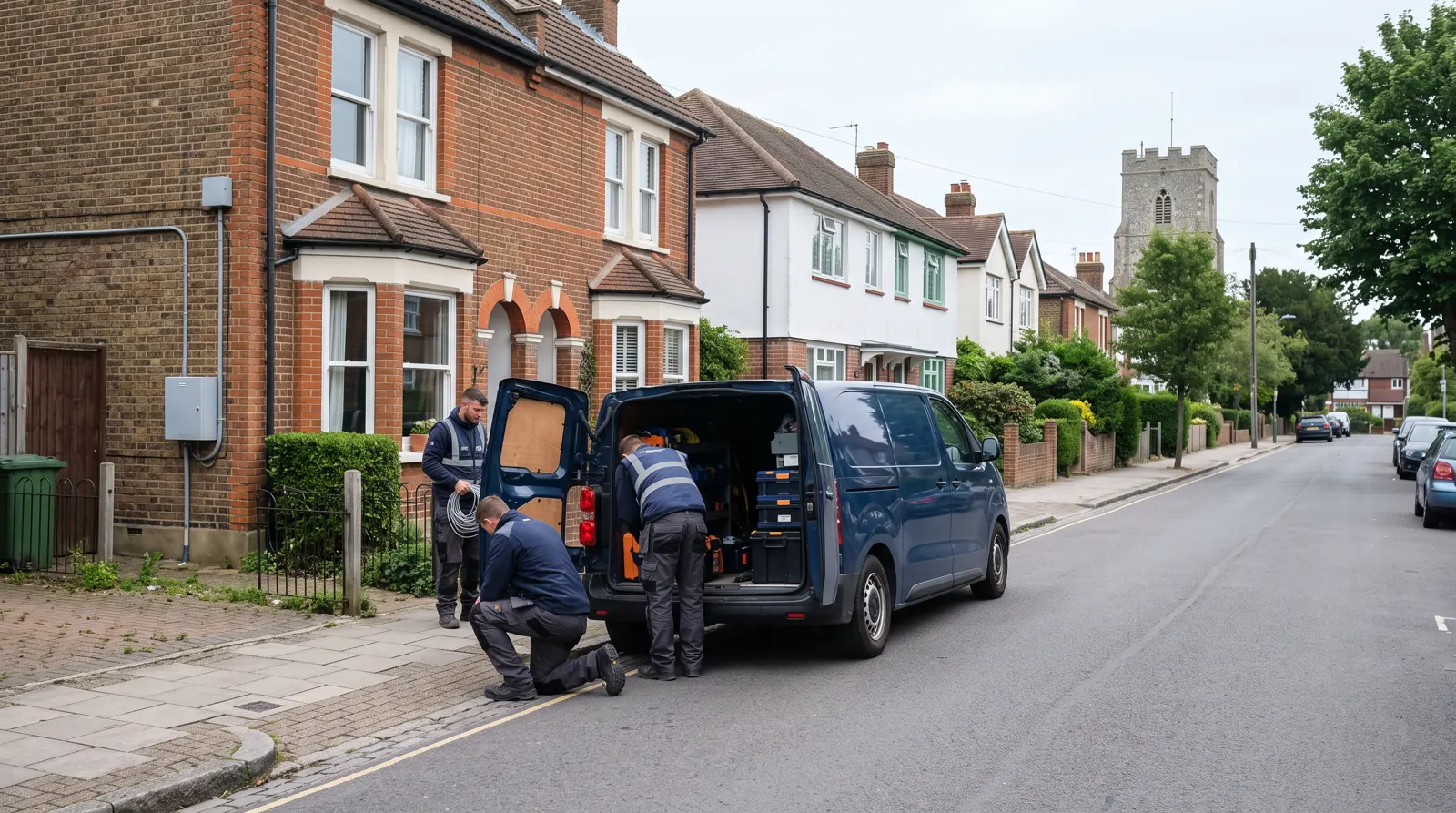
Around Whitstable we tailor our electrical inspections to the specific neighbourhood and typical housing stock. In Victorian terraces in the Swalecliffe and town-centre conservation areas, where many houses date from the mid‑ to late‑19th century, we routinely look for varnished insulated (VIR) or early rubber‑insulated cables, ageing Bakelite switches and the common lack of modern earthing arrangements in properties that have not been rewired since the early 20th century. We only recommend remedial work where our tests and inspections in these Whitstable neighbourhoods identify defects.