The short answer
Yes — rewiring a listed building is possible and typically takes 2–4 weeks, though exact times and costs depend on building size and consent requirements.
We begin with a sensitive survey to map existing cable routes, significant finishes and areas where intervention must be minimal. We make your electrical installation safer and more practical without treating original plaster, joinery or masonry as disposable.
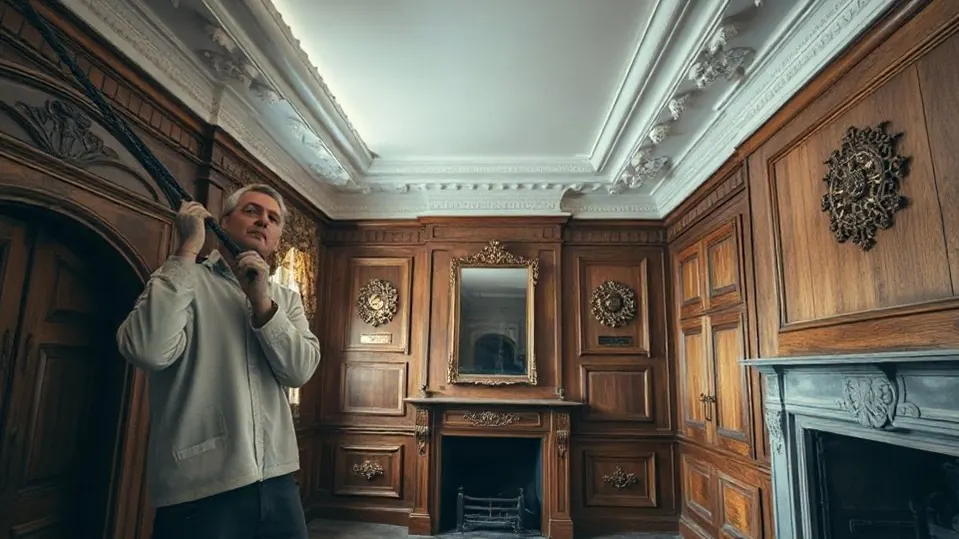
We’ll favour discreet cable routes, retain sound historic material where appropriate, and design upgrades around the building rather than forcing modern methods upon it. Wiring conservation means balancing electrical safety with the preservation of valuable features and evidence of the building’s history. We can also advise on consumer unit placement, socket locations and lighting with heritage aesthetics in mind. The result will be a compliant, usable installation that respects your property’s character.
Why this happens
- Lights dim or flicker when you switch on the kettle or other appliances.
-
Usually means a shared circuit is overloaded or older wiring/circuits can’t cope with the higher load.
-
Some sockets feel warm or a plug is hot to the touch.
-
Usually indicates a church-street connection or overloaded circuit that’s generating heat.
-
Fuses or circuit breakers trip regularly when you use several devices.
-
Usually caused by circuits being overloaded or altered circuits not sized for modern demand.
-
A particular light or socket works only sometimes or intermittently.
-
Usually points to a poor or deteriorating connection, or concealed wiring that’s been damaged or altered.
-
You smell a faint burning or musty odour from a socket, switch or behind furniture.
-
Usually a sign of overheating, degraded insulation, or a failing joint that needs immediate attention.
-
Plugs don’t fit neatly into older sockets, or adapters sit loosely.
-
Usually due to outdated or worn socket fittings that no longer make safe contact.
-
Fuse wires in old fuse boxes blow often, or the fuse box looks corroded or cluttered with additions.
-
Usually means the consumer unit is outdated, overloaded, or has been altered piecemeal over time.
-
New appliances trip protective devices even though they worked elsewhere.
-
Usually caused by older circuits, poor earthing/grounding, or incompatible alterations in the wiring.
-
You can see patched or surface-mounted cabling running over walls or skirting.
-
Usually the building’s wiring was added in stages to avoid disturbing historic fabric, leaving ad hoc routes.
-
Plaster or paint around fittings is cracked, discoloured or crumbling.
-
Usually evidence that cables or joints behind may have overheated or that installation disturbed delicate historic finishes.
-
You hear buzzing, crackling or popping sounds from switches or sockets.
-
Usually a church-street or failing electrical connection that can create heat and arcing.
-
Some rooms only have a single old light or socket where you need more power.
-
Usually the original installation wasn’t designed for today’s appliance density and has been extended rather than upgraded.
-
Fuses or old-style fusable elements look blackened or degraded.
-
Usually shows age-related deterioration of components that can compromise safety.
-
Metal switch plates, light fittings or pipework feel slightly electrified or tingle when touched.
-
Usually indicates poor earthing/grounding or a fault that needs urgent repair.
-
The house’s wiring look patched with a mix of different cable types, junction boxes and screw-in connectors.
- Usually the wiring was altered over many decades, creating a mix of materials and concealed joints that can be unreliable.
What to check first
Before opening historic walls or floors, start with a visual inspection of the consumer unit, accessible sockets, switches and any visible cable routes, noting signs of ageing, previous alterations, surface-mounted work and any damage to plaster, joinery or decorative finishes. Map likely wiring routes against the building’s layout, paying attention to voids, cupboards, skirtings and later additions that may offer less intrusive access, and consider historic lighting positions, original switches and surviving fittings to inform what should be retained. Identify areas where removing insulation could expose cables or disturb finishes; the aim is to understand condition without unnecessarily lifting boards, chasing walls or harming heritage fabric, and to record photographs and clear notes as a baseline before planning work.
Note: a visual inspection alone does not discharge legal responsibilities for electrical safety; where required by regulation or contract, a qualified electrician should carry out appropriate tests and issue any statutory certification.
When to call an electrician
Call a qualified electrician as soon as you find damaged cable insulation, overheating, repeated fuse or circuit trips, electric shocks, burning smells, water ingress or uncertain alterations in a historic property. We’ll first make the installation safe, then assess it with minimum disturbance to original fabric. Don’t lift floorboards, open lath-and-plaster walls or disconnect old fittings yourself; these actions can conceal evidence, cause damage or increase risk.
If the building is listed, you may need consent for alterations that affect its character — this is a legal requirement for the owner or applicant, not something an electrician can override. Contact us before planned work where wiring passes through panelling, cornices, joinery or protected finishes; we can document existing routes, advise on appropriate tests and coordinate with conservation officers or heritage specialists if consent or specialist input is needed. Keep our emergency contacts available for urgent faults, and isolate power only if it’s safe to do so. We’ll work carefully around retained features and explain the next safe step.
What it costs to fix
Once we’ve made a fault safe and assessed the existing installation, we’ll set out a fixed written price for the least invasive suitable repair. Heritage conservation means protecting period fixtures, retaining sound concealed wiring, and treating electrical archaeology carefully.
| Job | Price | What’s included |
|---|---|---|
| Fault finding | £80/hr | Labour, testing, VAT |
| EICR, up to 3-bed | £150–£250 | Inspection, report, certificate |
| Extra socket | £55–£75 | Parts, labour, testing, certificate |
| Partial rewire | £1,200–£3,000 | Parts, labour, testing, certificate |
We’ll explain whether a local repair is safer than replacement, without opening original fabric unnecessarily. Prices include VAT; they don’t include plaster making good, decoration, asbestos removal, DNO supply-upgrade charges, or scaffold/access equipment. Your bill won’t exceed our written quote.
What we see around Whitstable
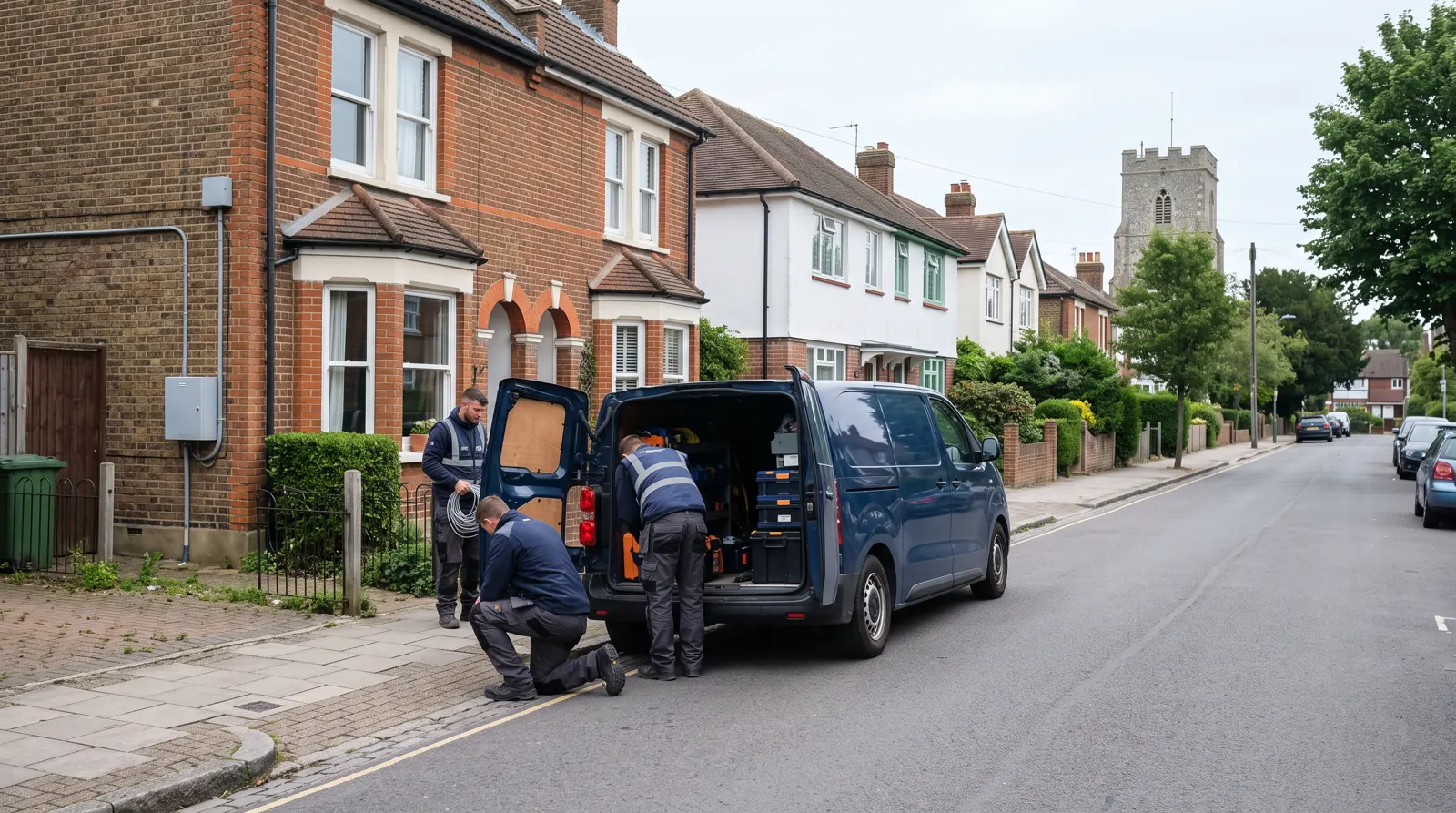
Around Whitstable, particularly in the Victorian terraces of Swalecliffe, Joy Lane and the town centre conservation areas, we regularly encounter vintage vulcanised rubber insulated (VIR) wiring and other rubber‑insulated cable dating from the late 19th and early 20th centuries.
Where possible in these Whitstable neighbourhoods we use existing service paths through skirting, redundant pipe chases and accessible loft spaces in order to limit disturbance to historic fabric.
We assess each house individually to identify which installations can safely remain, which circuits need replacement, and where discreet access—via panelled cupboards or behind stair linings typical of mid‑Victorian joinery—will protect decorative finishes.