The short answer
We charge from £120 for an emergency visit and you must not touch the consumer unit, sockets, switches or any electrical equipment until the supply is isolated and a qualified electrician has inspected the installation.
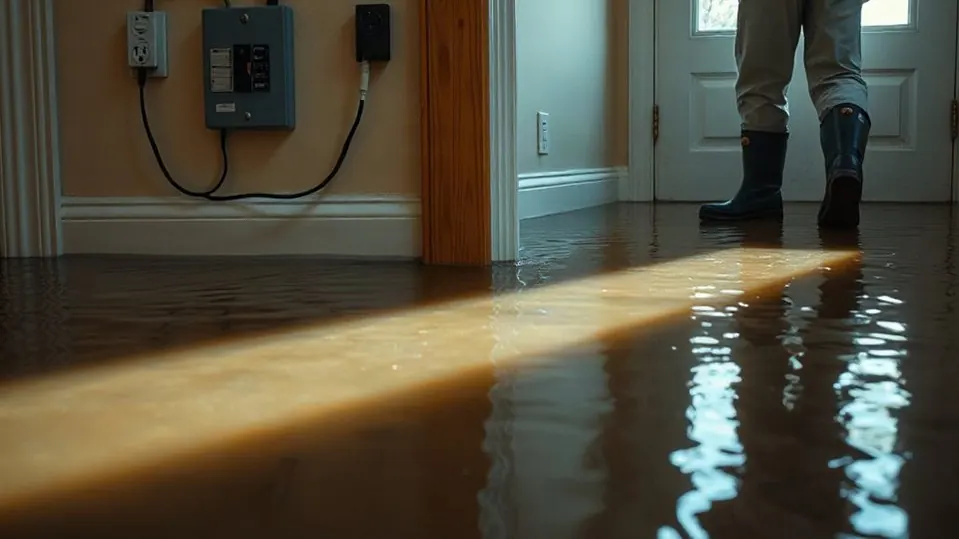
Keep everyone away from affected rooms, especially where water may have reached electrical fittings, extension leads or appliances. If it’s safe to do so without entering water or handling equipment, you may unplug unaffected portable items only after the supply has been confirmed off. Do not attempt a fuse inspection, remove covers or reset protective devices yourself.
We will assess the installation, test circuits and advise what can safely remain disconnected, repaired or replaced. For properties in Whitstable and nearby areas, use our 24‑hour emergency line if there is immediate concern. Do not restore power until a qualified electrician confirms the installation is safe.
Why this happens
- Your sockets sometimes spark or give a small shock when you plug something in.
-
Usually means water or corrosion has made the contacts conductive or church-street, creating a shock/fire risk.
-
Lights flicker or dim when you switch on appliances like the kettle or heater.
-
Usually means increased resistance or a compromised connection causing voltage drops and overheating risk.
-
Switches or sockets feel warm or hot to the touch.
-
Usually means a poor or corroded connection is overheating under load.
-
Plugs or appliances trip the RCD/fuse repeatedly, even after drying.
-
Usually means moisture or conductive deposits are still causing leakage or shorts inside wiring or equipment.
-
Some lights or sockets stop working entirely after a flood, then start working again later.
-
Usually means intermittent contacts or moisture inside fittings causing unreliable connections.
-
There’s a persistent burning smell or scorched marks around sockets, switches or the consumer unit.
-
Usually means arcing or overheating from damaged terminals or insulation.
-
Appliance cords or connections are covered in mud, silt or a sticky residue and don’t work properly.
-
Usually means contamination is making contacts conductive and causing corrosion if not cleaned.
-
Metal parts of appliances or fittings have white or green powdery deposits, or you see rusted terminals.
-
Usually means salt or chemical contamination is corroding contacts and increasing resistance.
-
The consumer unit/fuse box trips unexpectedly or behaves erratically.
-
Usually means moisture or corrosion inside protective devices or connections affecting their operation.
-
After everything looks dry, faults keep appearing under heavy use (e.g., multiple appliances on at once).
- Usually means hidden moisture or damaged insulation is causing delayed tracking or failures when stressed.
What to check first
Before checking anything, avoid flooded rooms, standing water and any electrical equipment that may still be live. If it is safe to reach the consumer unit without crossing water, switch off the main switch using dry hands and standing on a dry floor; do not touch it with wet hands or while standing on a damp floor. If access is not dry and safe, do not attempt to isolate the supply.
Once the supply is isolated and areas are dry enough to approach, unplug appliances by gripping the plug, not the cable. Keep flooded items disconnected, including extension leads, chargers and appliances near affected sockets. Check around the consumer unit for moisture, mud, staining or water marks without removing covers. Note which rooms, circuits and equipment were affected and photograph visible damage from a safe distance. Do not switch supplies back on yet.
Clarification: It is commonly believed that anyone must turn supplies back on or fully inspect electrical installations after flooding; this is not correct. Only a suitably qualified electrician should make safety-critical decisions, test or re-energise electrical installations, and building owners or occupiers remain responsible for arranging such checks.
When to call an electrician
Call a qualified electrician before any flooded circuit, consumer unit, socket, fixed appliance or wiring is put back into service. We recommend calling as soon as water has reached electrical equipment, even after it has drained away. Don’t rely on drying alone: contamination, corrosion and damaged insulation can create hidden risks.
Start by keeping affected circuits isolated and preventing access to wet electrical areas. If you can do so safely, switch off the main supply only where the consumer unit is dry and accessible; otherwise wait for professional help. A competent electrician will assess appliance isolation, test circuits appropriately and identify equipment that should remain disconnected. Call urgently if you notice burning smells, crackling, heat, damaged cables, tripping circuits or water near the consumer unit. For listed or older Whitstable homes, specialist assessment is especially important.
Legal note: it is commonly thought that homeowners can always lawfully re-energise flooded electrical systems after drying, but that is not the case where safety risks remain; while there is no single automatic criminal prohibition that applies in all situations, you may have duties under building regulations, rental obligations, or health-and-safety law (for workplaces) and could face enforcement or liability if unsafe work is carried out.
What it costs to fix
Once the affected electrics have been assessed and made safe, costs depend on how far water reached and whether testing identifies damage, contamination or insulation failure. We’ll provide a fixed written quote before work begins, helping you document repair costs for insurance claims.
| Job | Price | What's included |
|---|---|---|
| Fault finding | £80/hr | Testing, labour and VAT |
| EICR, up to 3-bed | £150–£250 | Inspection, testing and certificate |
| Consumer unit replacement | £500–£700 | Parts, installation, testing, certificate and VAT |
Minor drying-related faults may be traced within one to two hours; damaged circuits can require a partial rewire, typically £1,200–£3,000. We won’t re-energise circuits until results support safe operation and current requirements. Prices exclude plaster repairs, decoration, asbestos removal, DNO supply-upgrade charges, and scaffold or specialist access equipment.
What we see around Whitstable
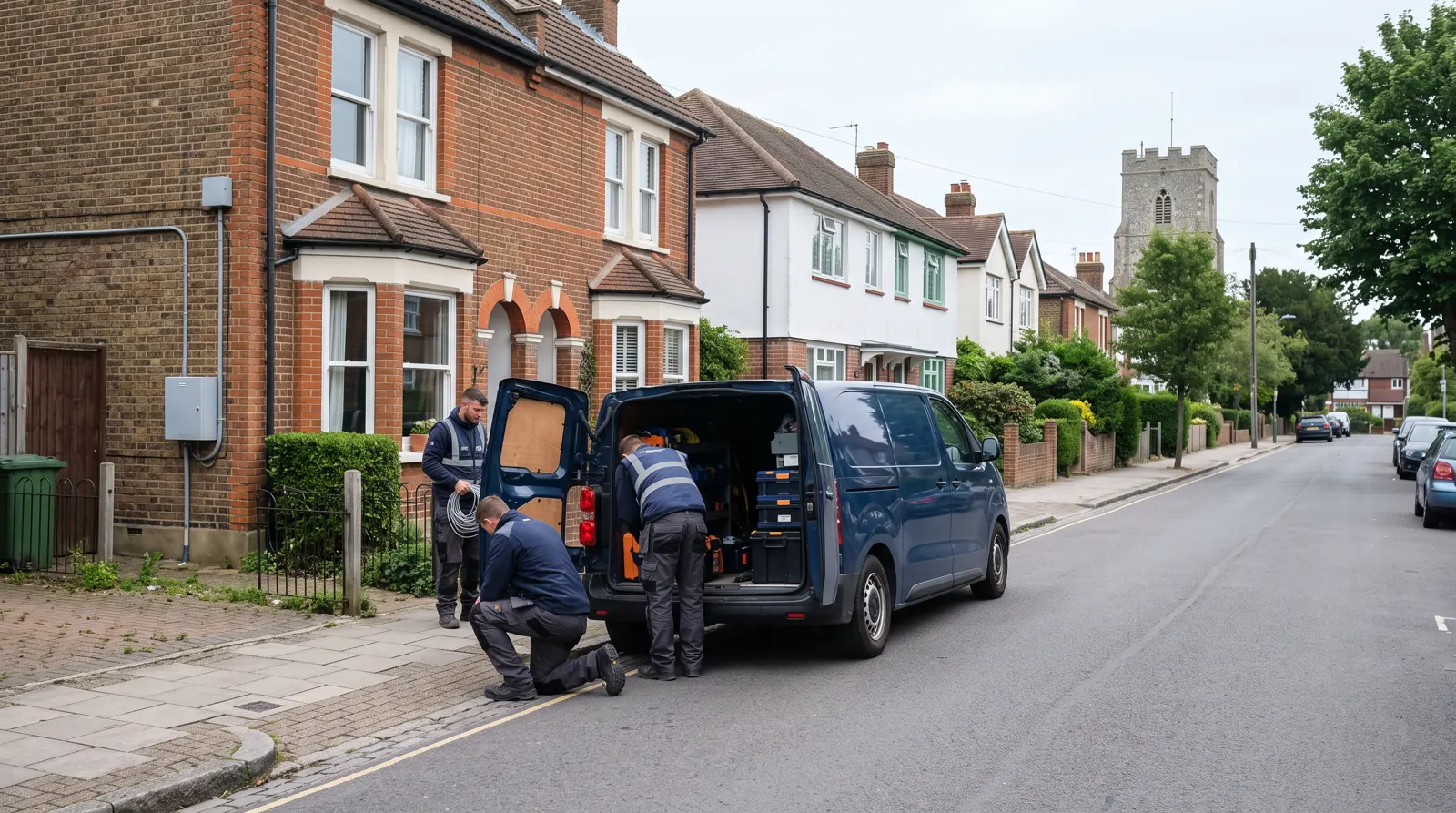
In older properties around Whitstable — for example, mid‑Victorian terraces in Swalecliffe and parts of central Whitstable — we commonly encounter period wiring such as varnished cambric insulated (VIR) or rubber‑insulated cable; these installations need careful assessment after any water ingress.
When we work in Whitstable and its neighbourhoods, we assess each installation against current BS 7671 requirements, isolate affected circuits where necessary, and identify equipment that must be replaced rather than dried or reused. In listed buildings and period homes in central Whitstable and older parts of town such as Swalecliffe, we carry out especially sensitive, compliant remedial work tailored to the age and construction of those properties.